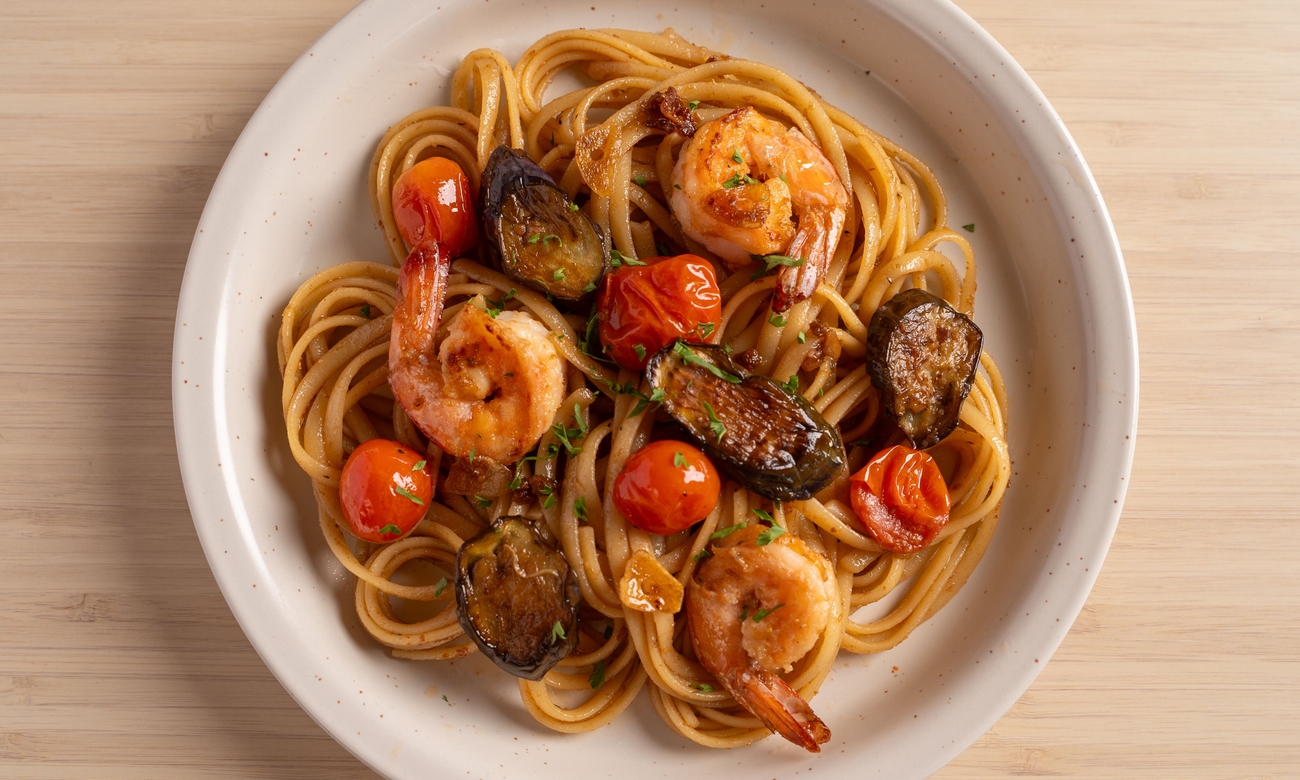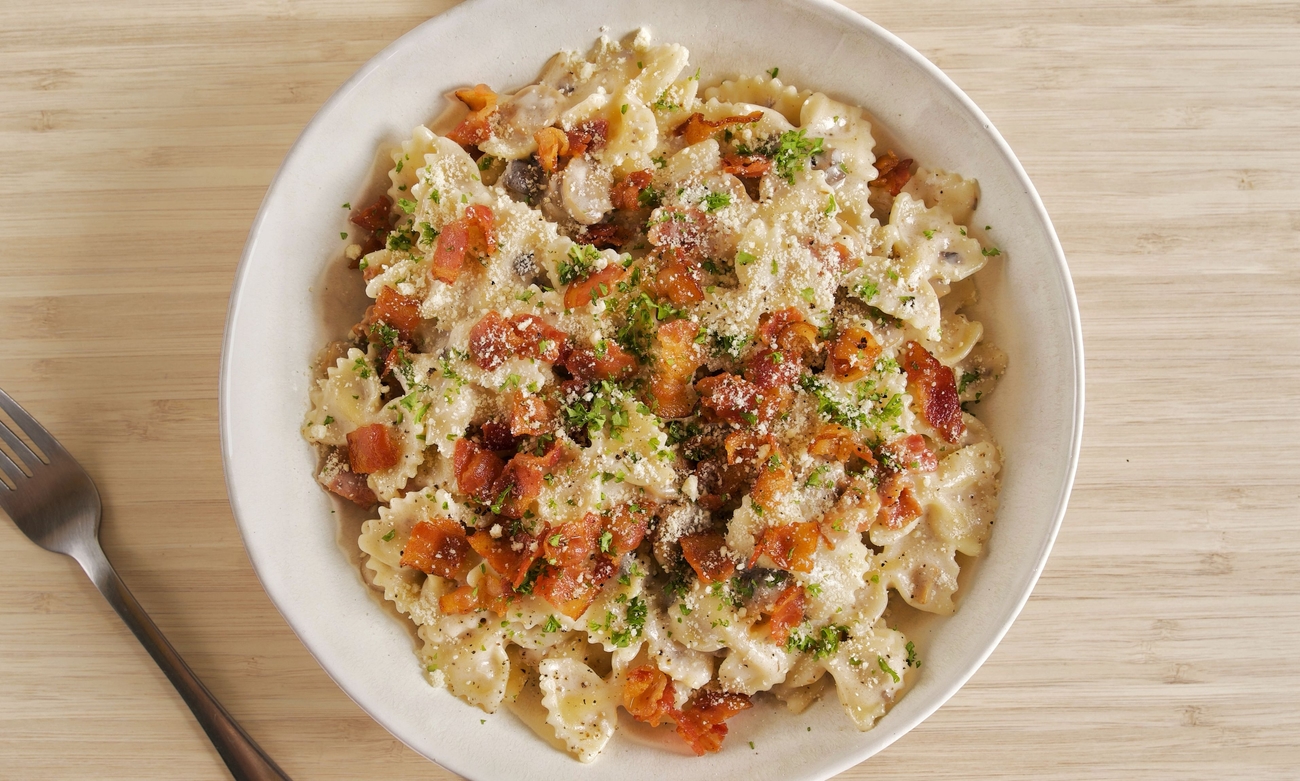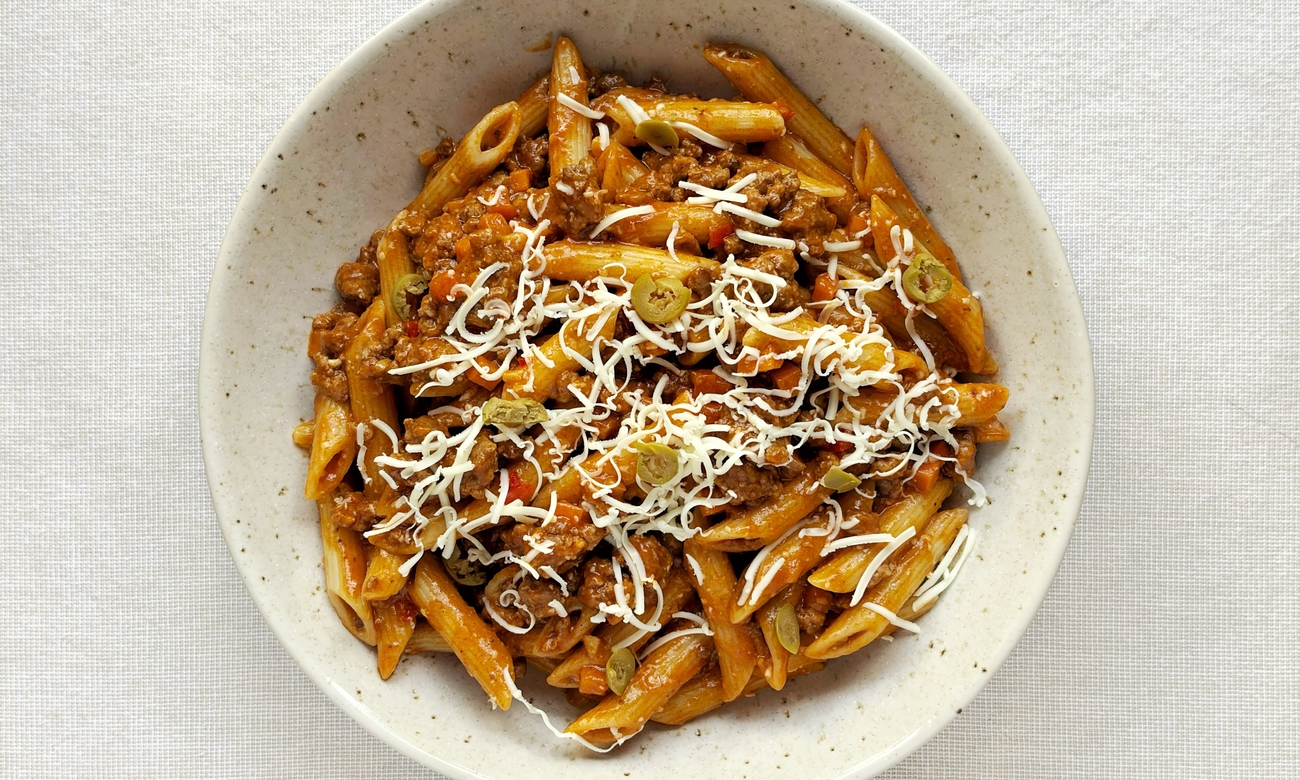
Tinapa is one of those ingredients that rarely leaves its lane. You see it at breakfast, next to sinangag and itlog na maalat, maybe with sliced tomatoes if you're lucky. Good as that is, it got me thinking: what else can this do?
Turns out, a lot. Tinapa is cold-smoked fish — usually bangus or galunggong — and that smoking process concentrates everything: the salt, the funk, the depth. It's an ingredient that already has a strong point of view, which makes it a natural fit for pasta. You don't need to do much to it. You just need to give it the right context.
Cream is that context. It doesn't dull the tinapa — it balances it. The smokiness stays, but the cream rounds out the edges and gives the sauce enough body to cling to the pasta. Long pasta works best here for exactly that reason: spaghetti or linguine picks up the sauce in a way that short pasta just doesn't.
The calamansi goes in off-heat at the end. This is important — heat kills its brightness fast. A tablespoon or so right before serving cuts through the cream and lifts the smokiness, keeping the dish from feeling heavy.
Tinapa also goes in two batches. Half gets cooked into the sauce, where it breaks down and flavors everything. The other half gets folded in at the end so you still get distinct, intact flakes when you eat. One batch gives you depth; the other gives you texture.
On the tinapa itself: I used galunggong here, but bangus tinapa works just as well — the flakes are meatier and easier to debone. Galunggong is bonier but more intensely flavored, so it's worth the extra picking. Any variety will work as long as it's fully deboned before it goes into the pan. Tinapa is also quite salty on its own, so hold off on seasoning until the end and taste as you go.
Fresh tinapa is the move if you can find it — most palengkes and local tingi-tingi stores carry it. I'd skip frozen for this one; the extra moisture can make the sauce watery and the flakes tend to fall apart.


We don't just copy random recipes. We taste test every single one.

Easily search and save your favorites.

Chefs develop our food with techniques made easy for home cooks.